• New
1

Anelaphinis breviceps

€4.50

0
0/5 - 0 reviews
Buying this product you will collect €0.16 with our loyalty program. Your cart will total €0.16.
Stage

Volume discounts

Quantity Discount You Save
10 5% Up to €2.25
20 10% Up to €9.00
Quantity

The minimum purchase order quantity for the product is 3.

Anelaphinis breviceps

(Kolbe, 1892)

Kingdom: Animalia

Phylum: Arthropoda

Class: Insecta

Order: Coleoptera

Family: Scarabaeidae

Subfamily: Cetoniinae

Genus: Anelaphinis

Easy to breed species

Active during the day

Do not release into nature.

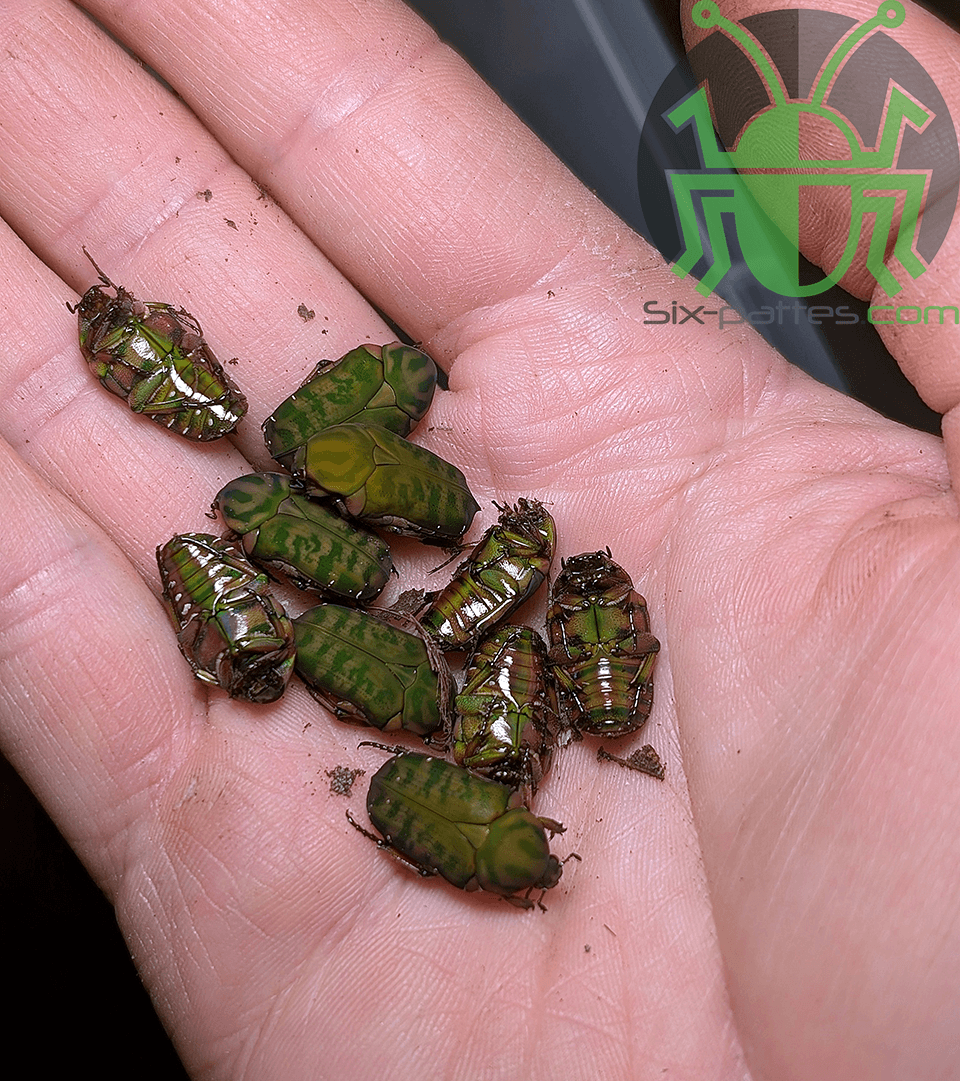
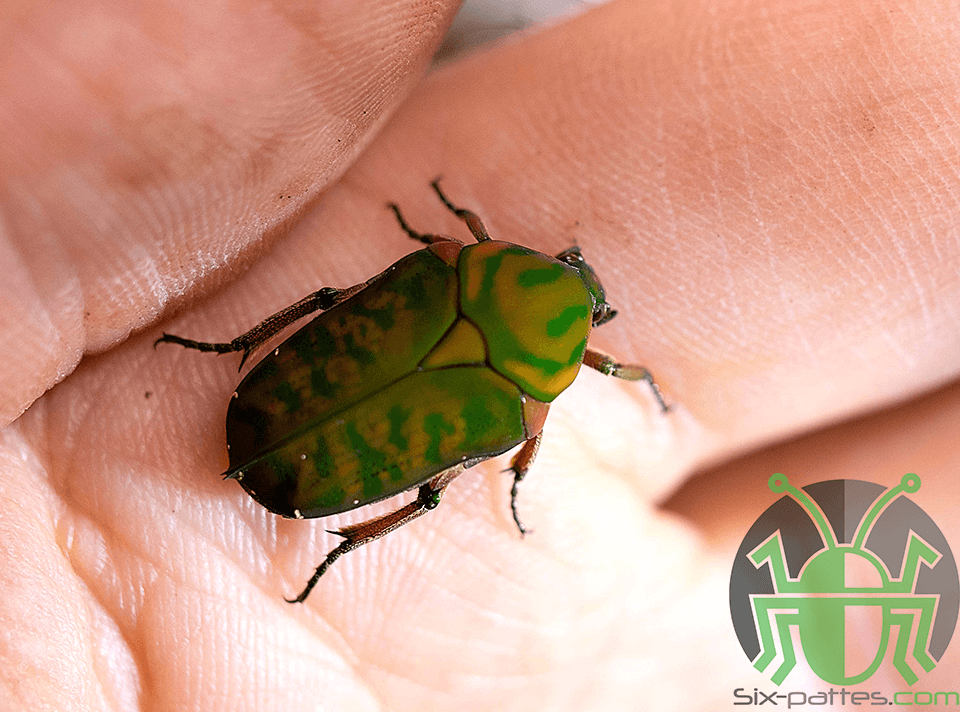
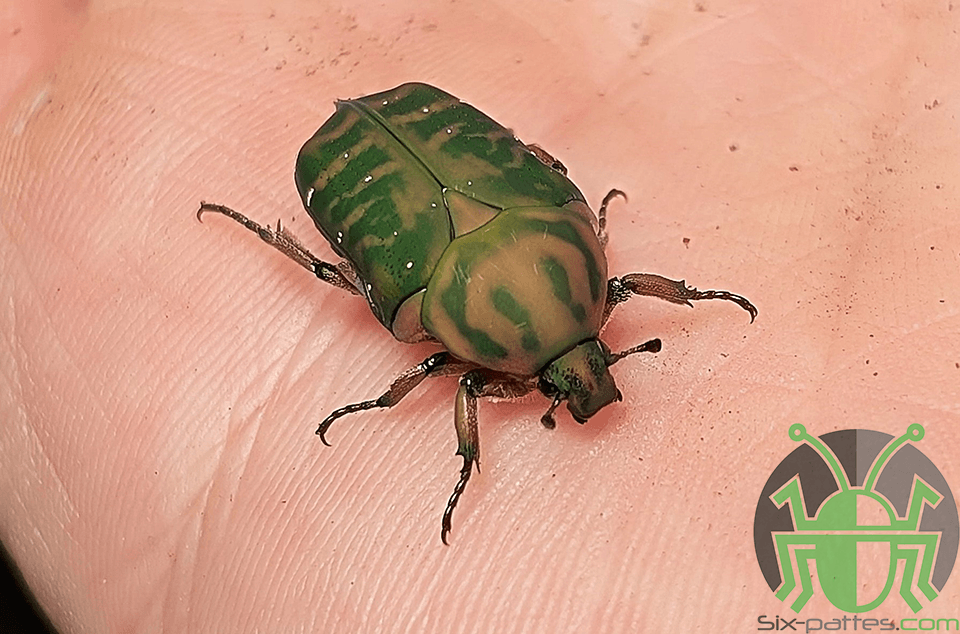
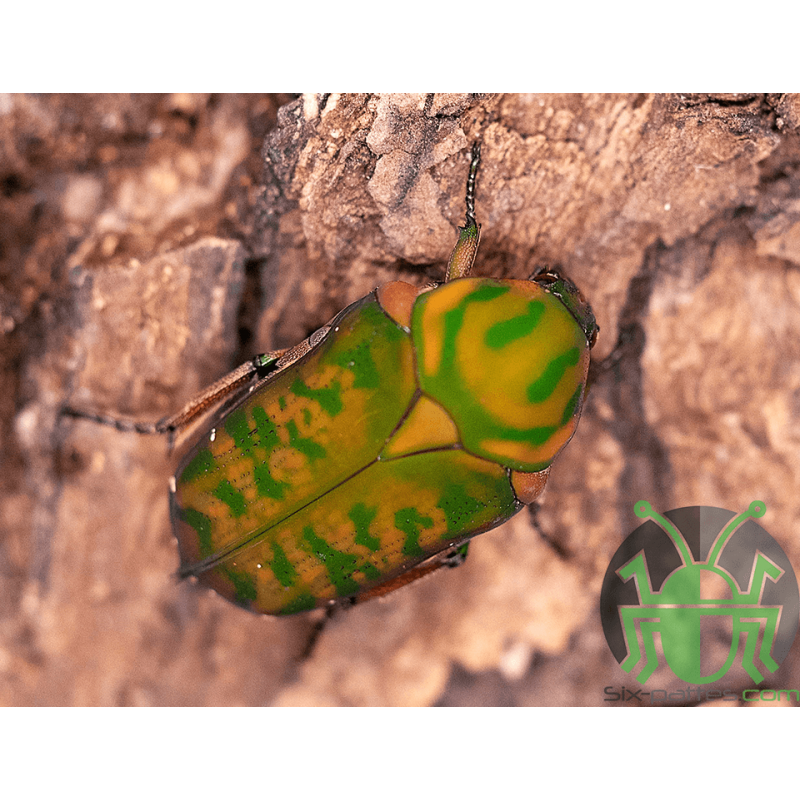
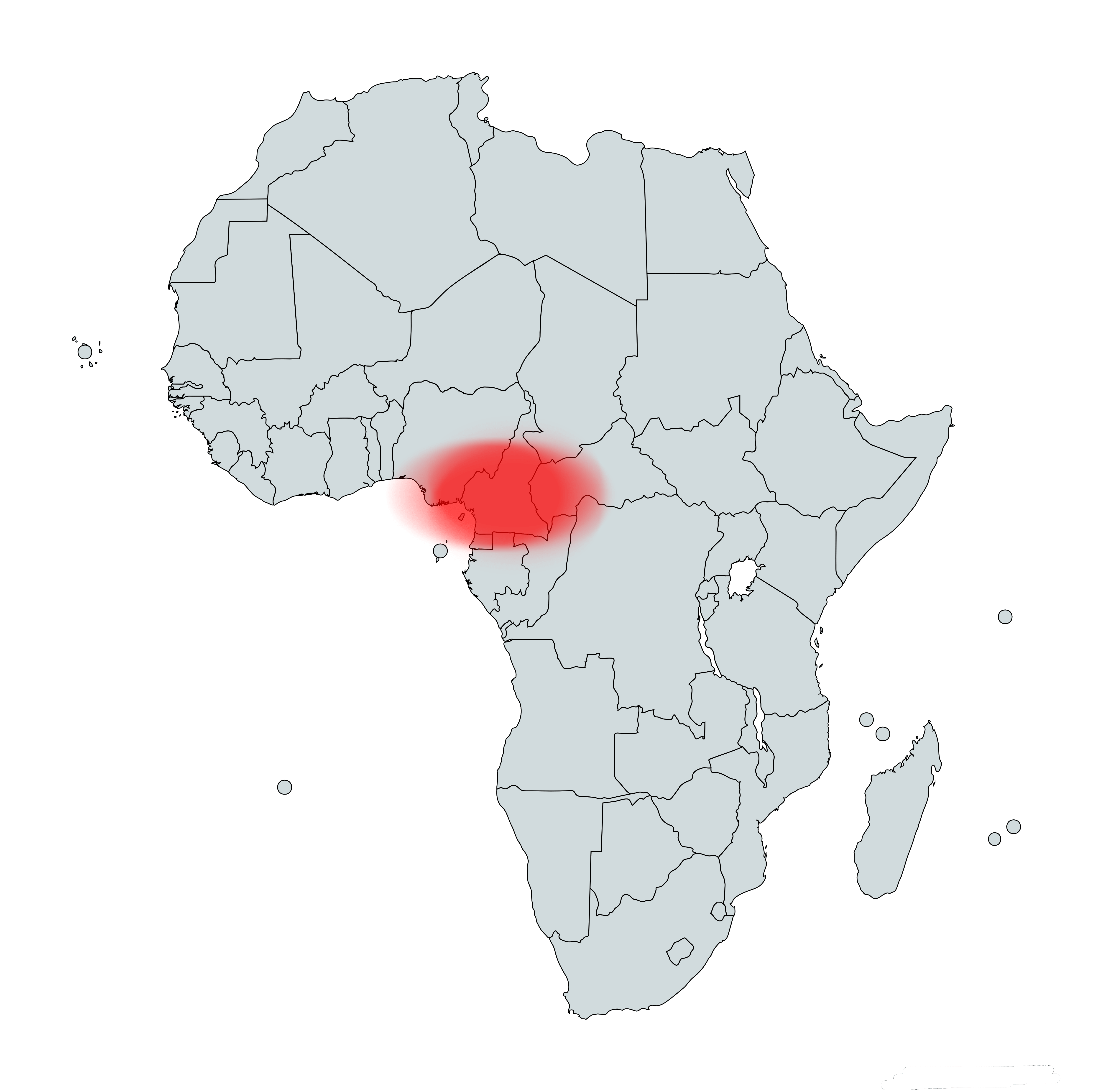
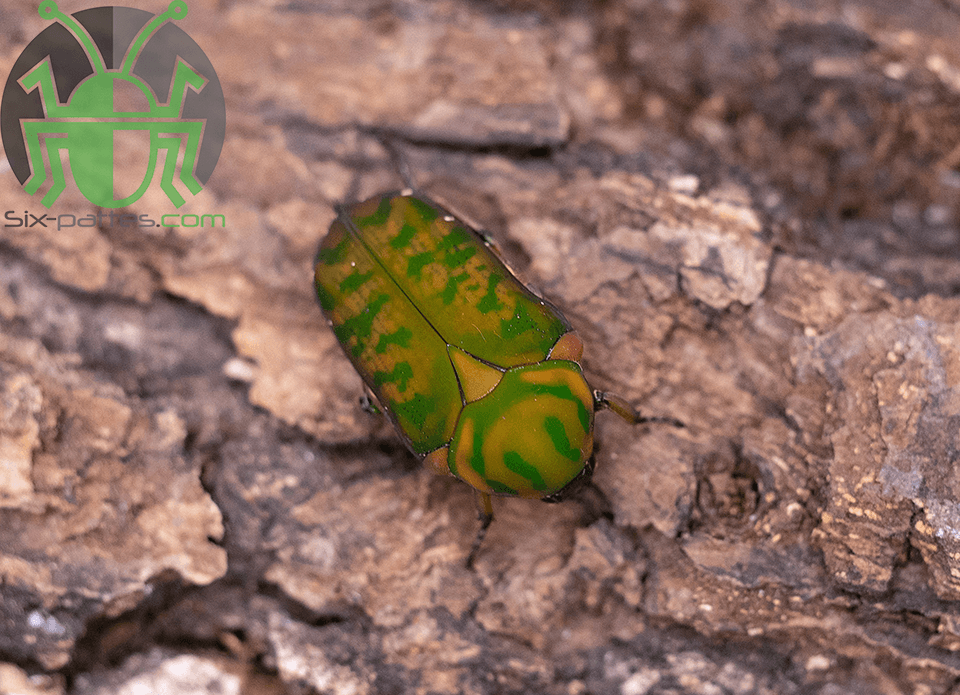
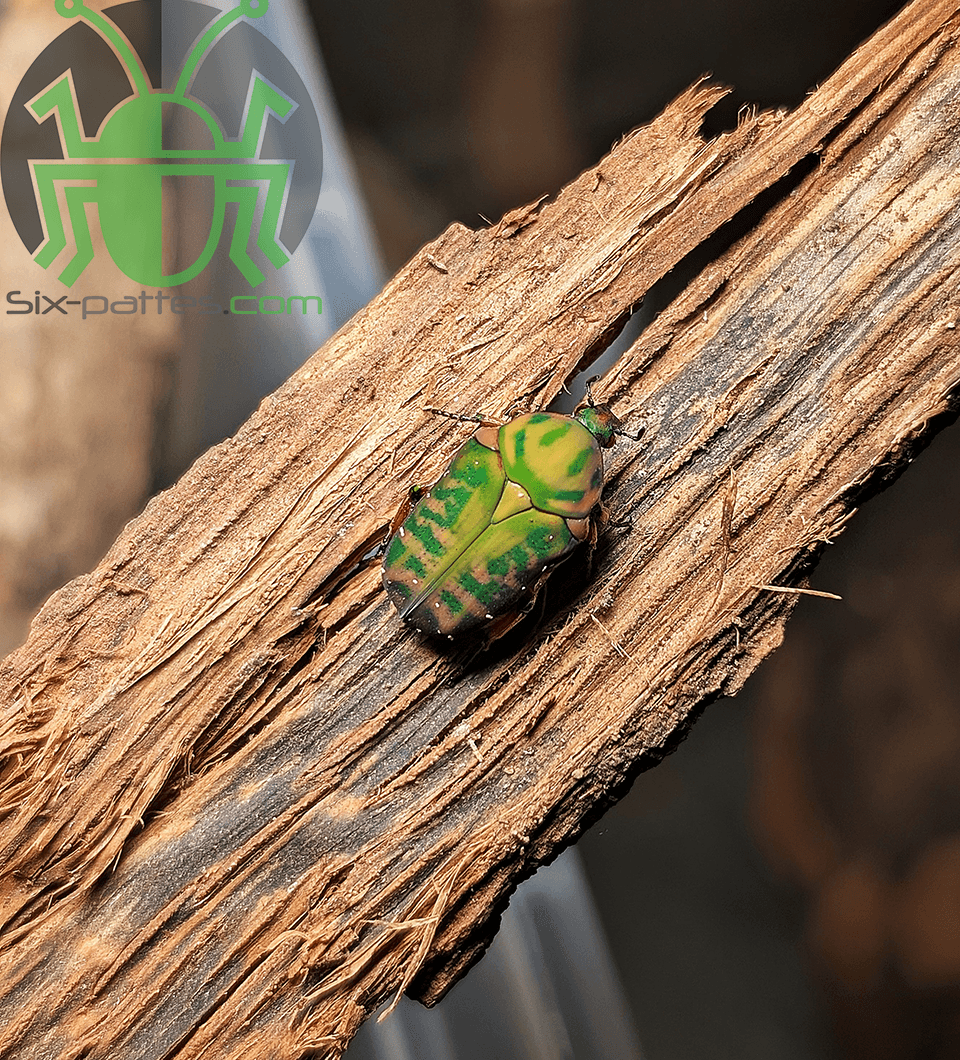
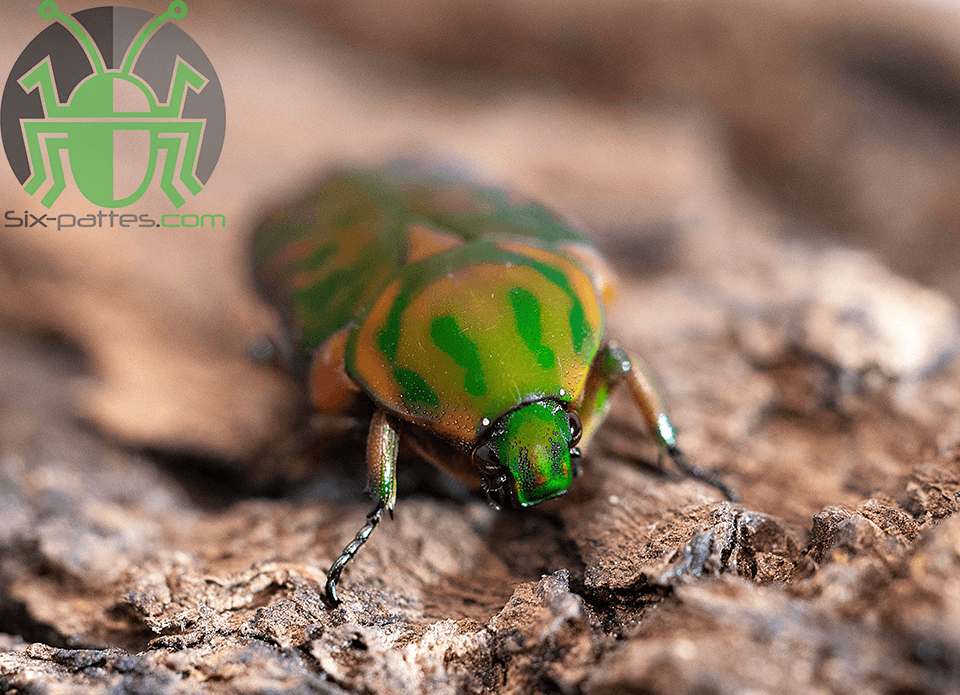
Anelaphinis breviceps is a small scarab native to Cameroon, typically measuring between 10 and 15 mm. Despite its modest size, it stands out with a highly variable coloration blending shades of brown-orange, reddish, or dark, sometimes adorned with small light markings. Active and lively, this beautiful species brings a lot of animation to the terrarium and captivates with its unique appearance.

What you might need:

01. Breeding

The terrarium

For the larvae : Plastic boxes with ventilation. Provide an appropriate amount of substrate for the number of larvae.

For example, for 10/15 larvae of Anelaphinis breviceps: provide a 5L box.

For the nymphs: Once in their shell, you can either leave them in the same box as the larvae or transfer them to another ventilated container. For this, you will need to reposition the shell in the substrate.

For the adults: Provide a terrarium suitable for the number of individuals. For about 3/4 pairs, provide at least a terrarium of approximately 40x30x30 (LxWxH) with ventilation on the lid. Also, provide at least about 10cm of substrate and small branches for movement.

The ground should not be completely flat because beetles that fall on their backs die quickly as they cannot turn over. It is therefore very important to furnish with bark, stones, or other materials and not to flatten the substrate.
Breeding conditions

Temperature: About 22°C/28°C for the breeding of larvae and adults.

Humidity:

For larvae: Provide a slightly moist substrate.

During pupation: Provide a slightly drier substrate.

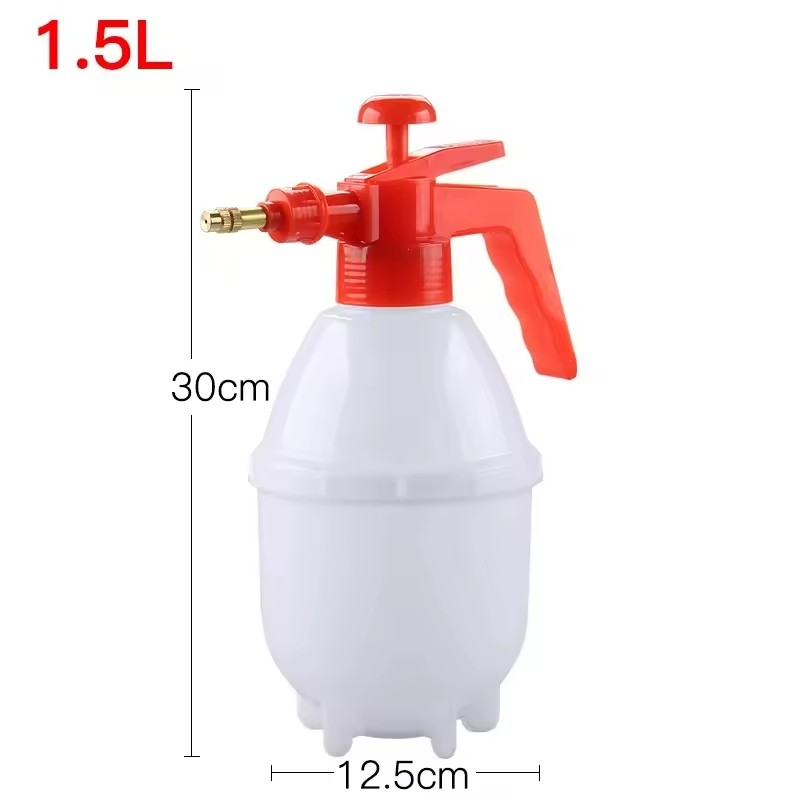
For adults: Provide a substrate that is slightly moist to dry. If the terrarium is well-ventilated, provide a light misting of water every 2 to 3 days.

Lighting: Lighting is necessary for adults (bulb, spotlight, tube…)

The food

For the larvae: Classic flower beetle substrate: decomposed and crushed oak, beech, or possibly chestnut leaves. The larvae are saproxylophagous and feed on decomposing materials (wood, leaves).If the larvae lack food, there is a risk of them dying or producing small specimens. The substrate should be renewed as soon as there are too many droppings.

For the adults: Fruits (mainly banana) or beetle jelly. Pollen is also appreciated. Renew as often as possible as soon as the food starts to degrade.

Incubation

About 2 weeks

Development

About 2 to 4 months.

Nymphosis

About 1 month

Lifespan of imago

about 2 months

Male

02. To note

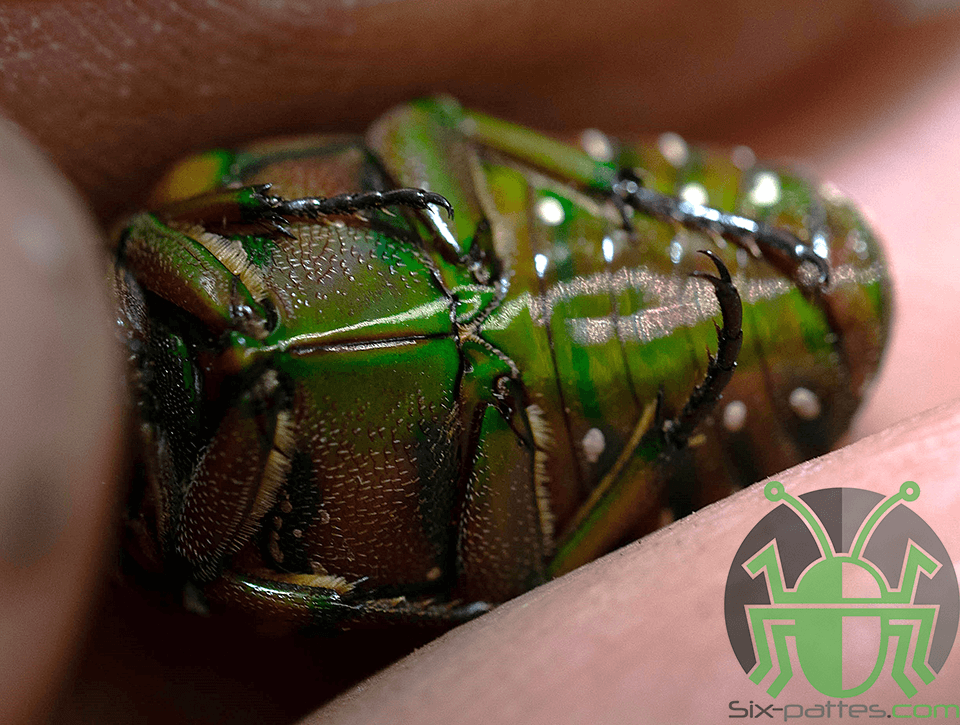
Sex: The male Anelaphinis breviceps has a longitudinal groove on the ventral side of the abdomen.

Fecundity: High

Cannibalism: Absent

Anelaphinis breviceps

€4.50

Reviews (0)

No customer reviews for the moment.


Only registered user can add review. Login