31

Mecynorrhina harrisi eximia

€37.00

0
0/5 - 0 reviews
Stage

Volume discounts

Quantity Discount You Save
10 5% Up to €18.50
20 10% Up to €74.00
Quantity
Out-of-Stock

Mecynorrhina harrisi eximia

(Aurivillius, 1886)

Kingdom: Animalia

Phylum: Arthropoda

Class: Insecta

Order: Coleoptera

Family: Scarabaeidae

Subfamily: Cetoniinae

Genus: Mecynorrhina

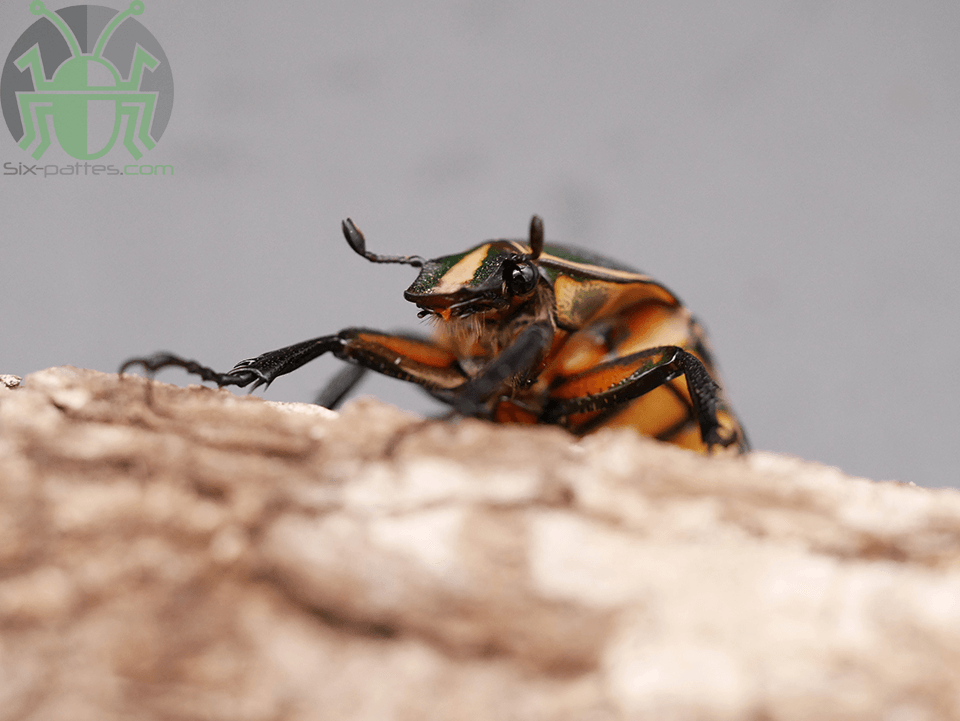
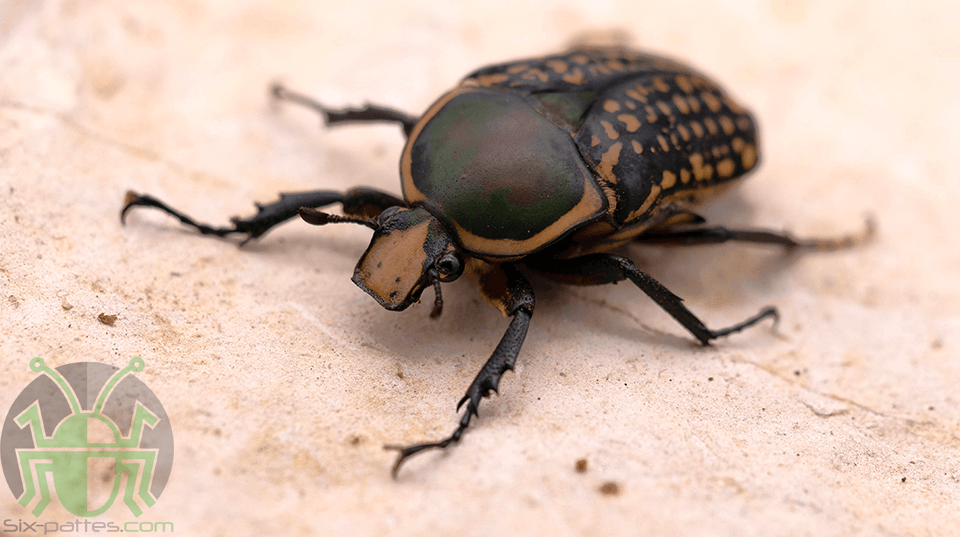
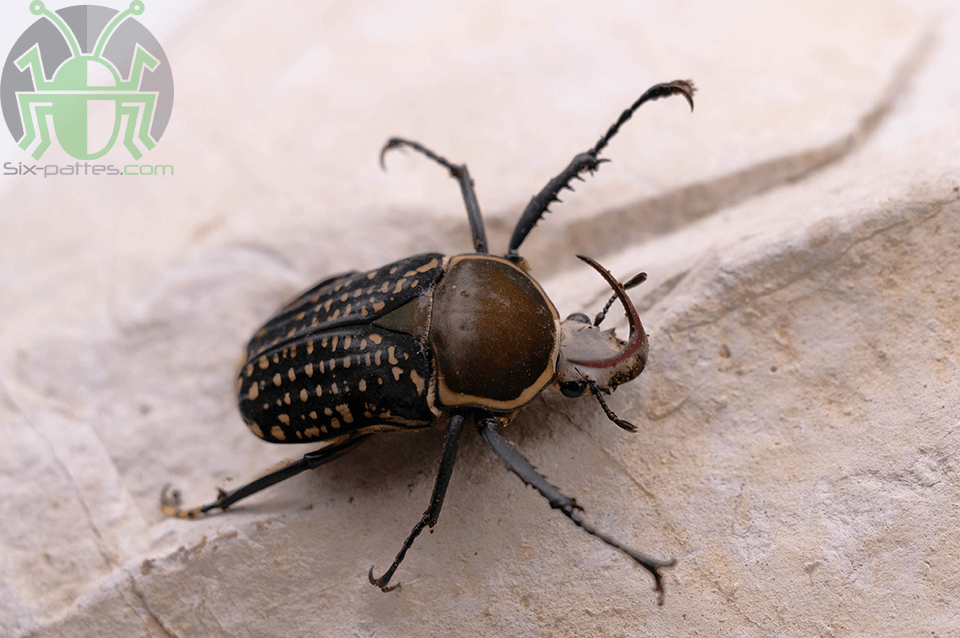
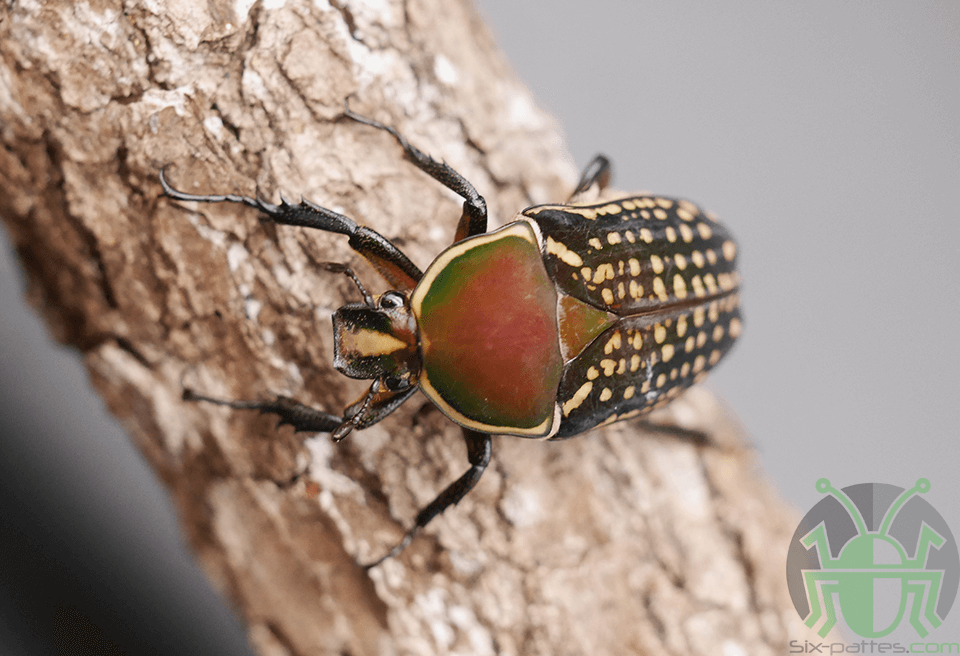
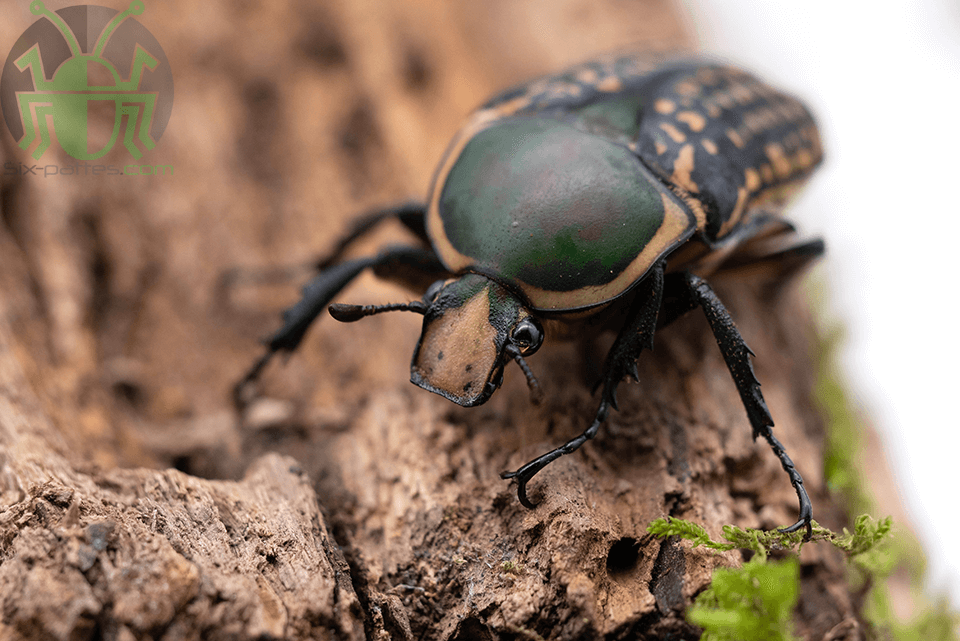
Mecynorrhina harrisi eximia is a very beautiful species measuring about 40 to 45mm for males and 35 to 40mm for females. Its body is black with yellow punctuation, the whole of a downy appearance. Its pronotum is green with reddish reflections. The male has a well-developed forked horn .

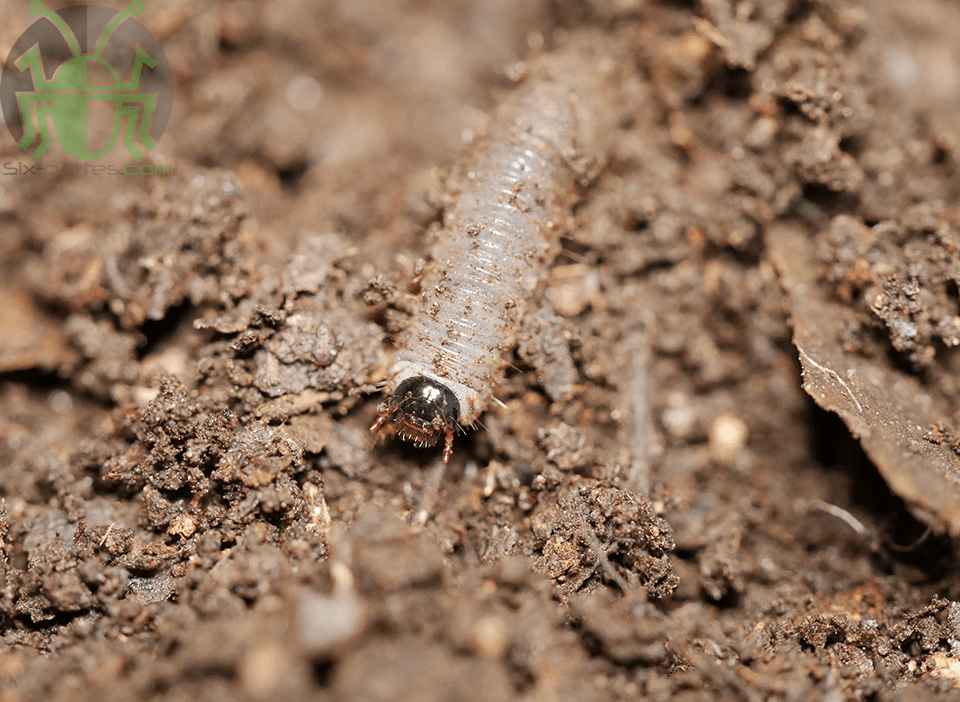
The larvae are a little different from other species of flower beetle , they are less soft, not very mobile and have a black head. The substrate sticks to their hairs, the larvae are difficult to find at birth (larvae very similar to Amaurodes passerinii)

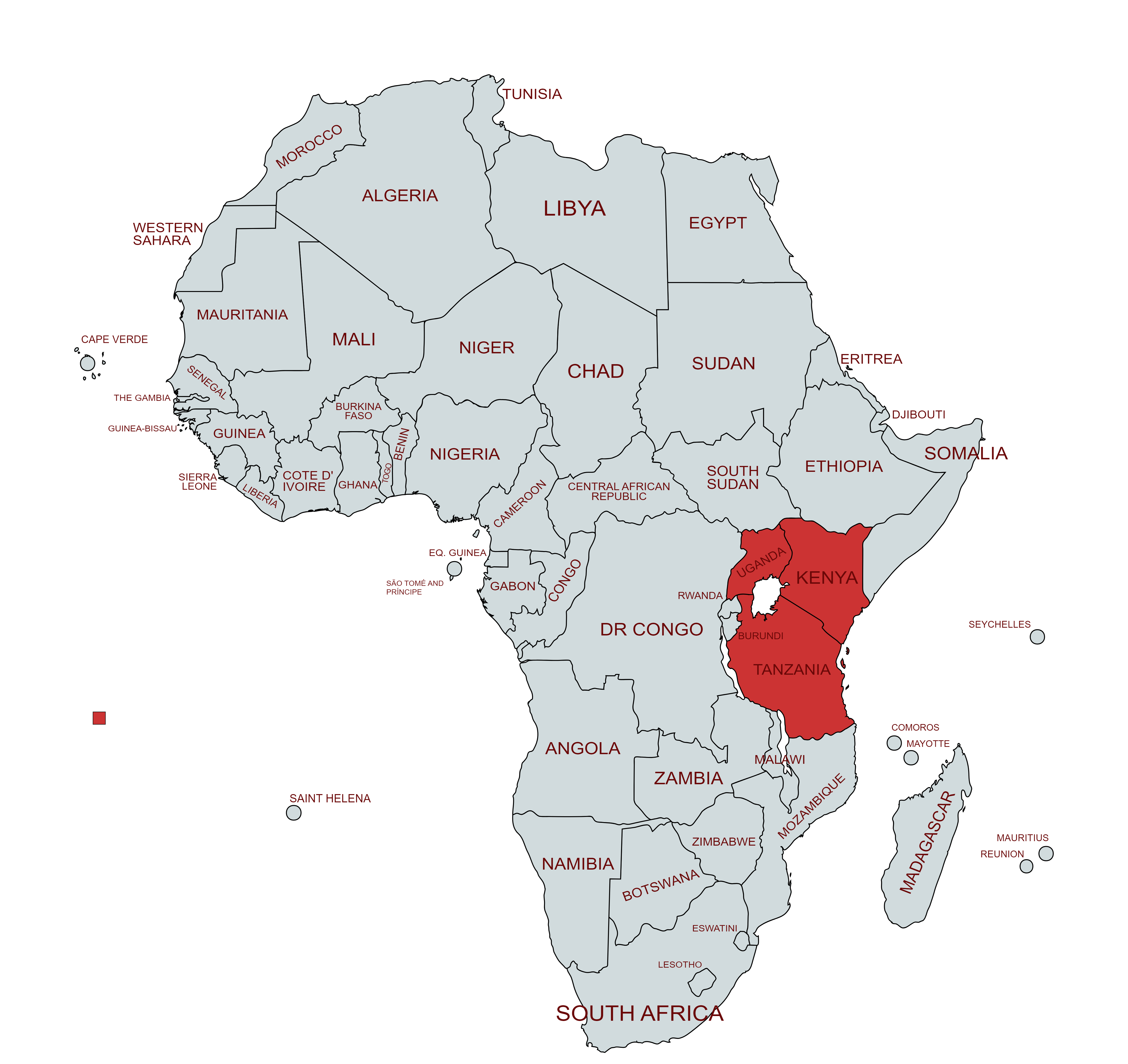
It is found in Tanzania, Kenya and Uganda.

Special features:

Species not recommended for beginners.

Active during the day
  • Larval breeding: very high risk of cannibalism, especially for stages L1 and L2.
  • Be careful with humidity during the nymphal phase: species very sensitive to excess humidity and lack of ventilation. The shelling is often done on the surface.
  • Long nymphal phase. Once the last moult has been completed, the adult can remain in the shell for a few months before emerging.
  • Breeding very similar to Amaurodes passerinii

The larvae are sent in individual boxes to avoid cannibalism during transport. As a result, shipping costs are higher than for other species.
What you might need:

01. Breeding

For larvae : Plastic boxes with ventilation. We recommend using our micro-perforated boxes , placing one larva per box.

For the nymphs : Once in the shell, you can leave it in the same box and remove some substrate in order to have a partially empty box and the shell.

For adults: Provide a terrarium adapted to the number of individuals. For 1 or 2 couples, provide a terrarium of approximately 40x30x40 (LxWxH) with ventilation on the lid. Also provide approximately 15-20cm MINIMUM of substrate. Remember to add branches for movement because this species is very active.

The ground should not be completely flat because the beetles that fall on their backs die quickly because they can no longer turn around. It is therefore very important to fill it with bark, stones or other materials and not to flatten the substrate.

Temperature: Around 25°C.

Humidity:

For larvae: Provide a slightly damp substrate.

During pupation: Provide a drier substrate.

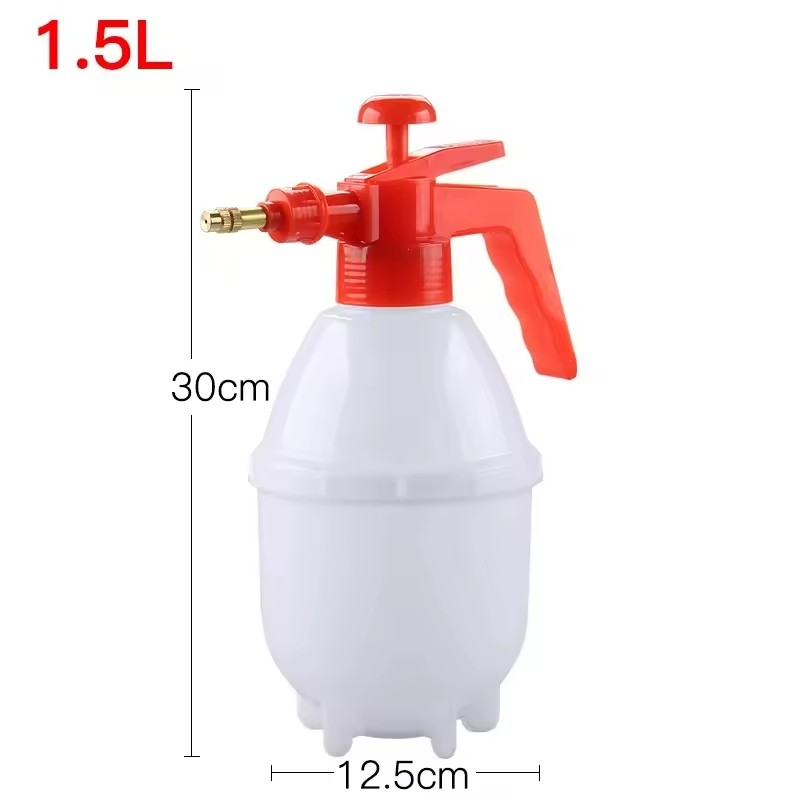
For adults: Provide a slightly damp substrate. If the terrarium is well ventilated, provide a small spray of water every 2 to 3 days.

Lighting: Slightly warming lighting is necessary for adults (bulb, spotlight, tube, etc.). A lack of light can reduce or even make reproductions disappear.

For larvae: Classic flower beetle substrate: decomposed and crushed oak, beech or possibly chestnut leaves. The larvae are saproxylophagous and feed on decomposing materials (wood, leaves) . If the larvae lack food, there is a risk of killing them or of obtaining small specimens. The substrate will need to be renewed as soon as there is too much excrement. This species seems to appreciate a protein intake (stage L2 / L3)

For adults: Fruits (mainly banana) or beetle jelly. Renew as often as possible as soon as the food starts to deteriorate.
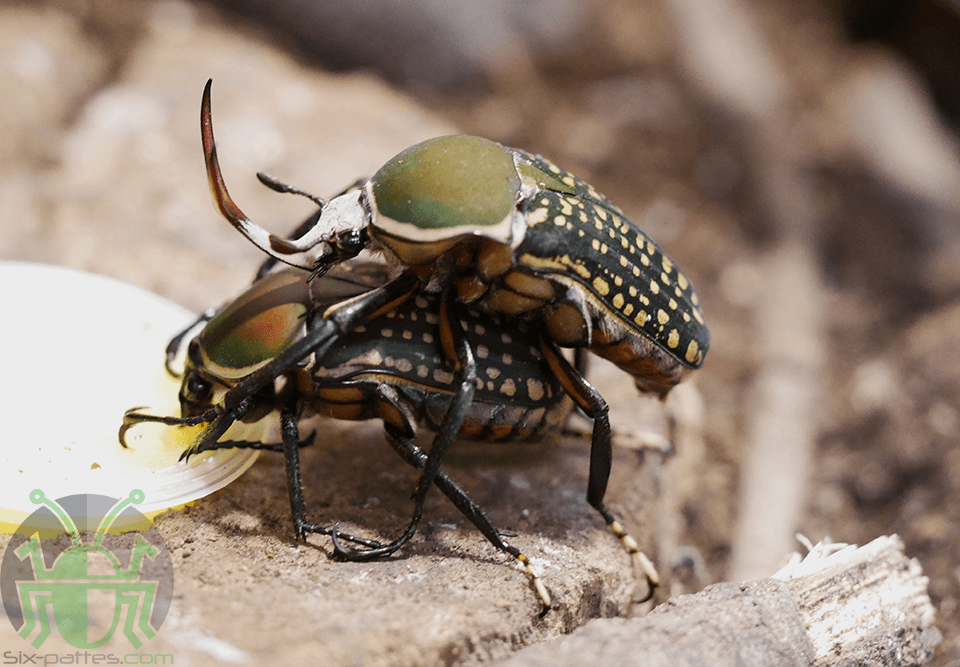
Female
Couple

Incubation

about 3 weeks

Development

7 to 8 months

Nymphosis

3 to 4 months

Imago lifespan

4 to 5 months

Larva
Female

02. Please note

Sexing: Sexing Mecynorrhina harrisi eximia is easy since males have a clearly visible forked horn. Females are slightly smaller than males and do not have a horn.

Prolificacy, mating and laying: Low prolificacy. The first laying occurs approximately 3 weeks after hatching. The eggs are laid on the surface, most of the time in the first layer of substrate.

Cannibalism: Very high risk of cannibalism, especially for stages L1 and L2. At stage L3 the risk is greatly reduced if the breeding conditions are optimal (substrate volume, substrate quality, etc.)

Also be careful in the breeding tank where adults can feed on the eggs. It is therefore necessary to remove the eggs and young larvae as soon as possible.

Female
Male defense position
Female

Mecynorrhina harrisi eximia

€37.00

Reviews (0)

No customer reviews for the moment.


Only registered user can add review. Login