62

For larvae : Boxes with ventilation. Provide a quantity of substrate adapted to the number of larvae, approximately 0.5L per larva.
For the nymphs : Once in the shell, you can either leave them in the same box as the larvae or transfer them to another ventilated container. To do this, you will need to reposition the shell in the substrate.
For adults: Provide a terrarium adapted to the number of individuals. For 3/4 couples, provide a terrarium of approximately 40x30x30 (LxWxH) with ventilation on the lid. Also provide approximately 10cm of substrate and small branches for movement.

The ground should not be completely flat because the beetles that fall on their backs die quickly because they can no longer turn around. It is therefore very important to fill it with bark, stones or other materials and not to flatten the substrate.
Temperature: For optimal conditions around 25°C. Below this, couplings may not take place.
Humidity:
For larvae: Provide a slightly damp substrate.
During pupation: Provide a drier substrate.
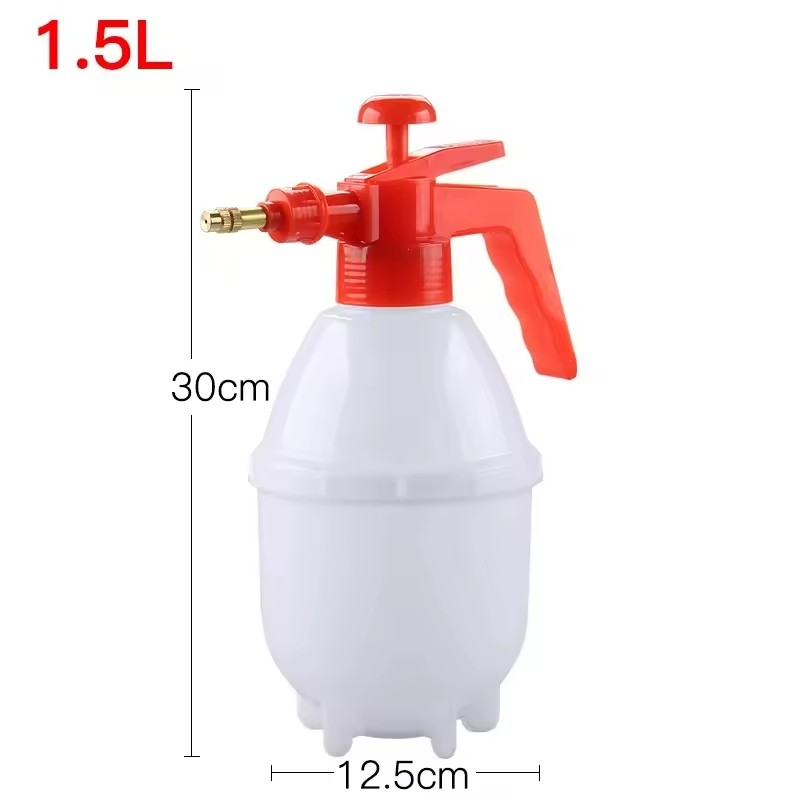
For adults: Provide a slightly damp substrate. If the terrarium is well ventilated, provide a small spray of water every 2 to 3 days.
Lighting: Conventional lighting required for adults (bulb, spotlight, tube, etc.) A lack of light can reduce or even make reproductions disappear.
For larvae: Classic flower beetle substrate: decomposed and crushed oak, beech or possibly chestnut leaves. The larvae are saproxylophagous and feed on decomposing materials (wood, leaves). If the larvae lack food, there is a risk of dying them or obtaining small specimens. The substrate will need to be renewed as soon as there is too much excrement.
For adults: Fruits (mainly banana) or beetle jelly. Possible supplement with pollen. To be renewed as often as possible as soon as the food begins to deteriorate.


|
M Jasmin
May 7, 2026 |
Chlorocala Africana Umtaliensis
Thank you <3
|