25

Protaetia himalayana

€30.00

0
0/5 - 0 reviews
Stage

Volume discounts

Quantity Discount You Save
10 5% Up to €15.00
20 10% Up to €60.00
Quantity
Out-of-Stock


Protaetia himalayana

( Mikšič , 1987 )

Kingdom: Animalia

Phylum: Arthropoda

Class: Insecta

Order: Coleoptera

Family: Scarabaeidae

Subfamily: Cetoniinae

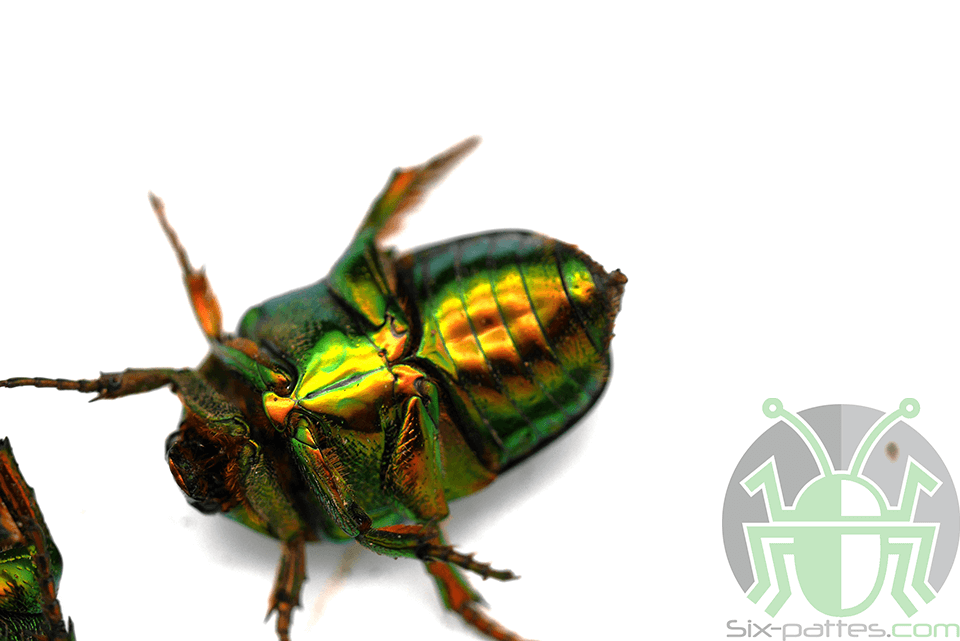
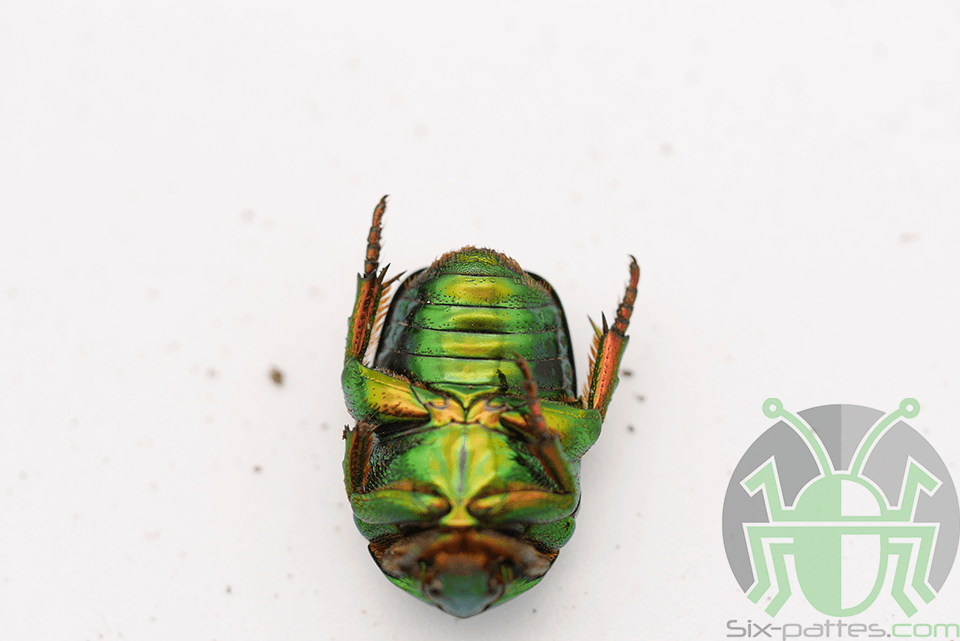
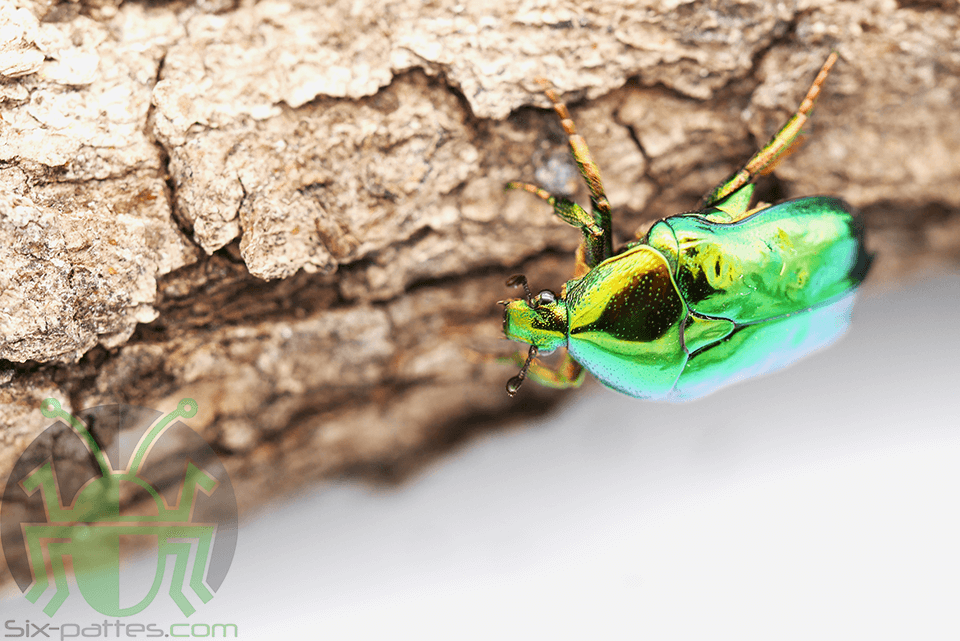
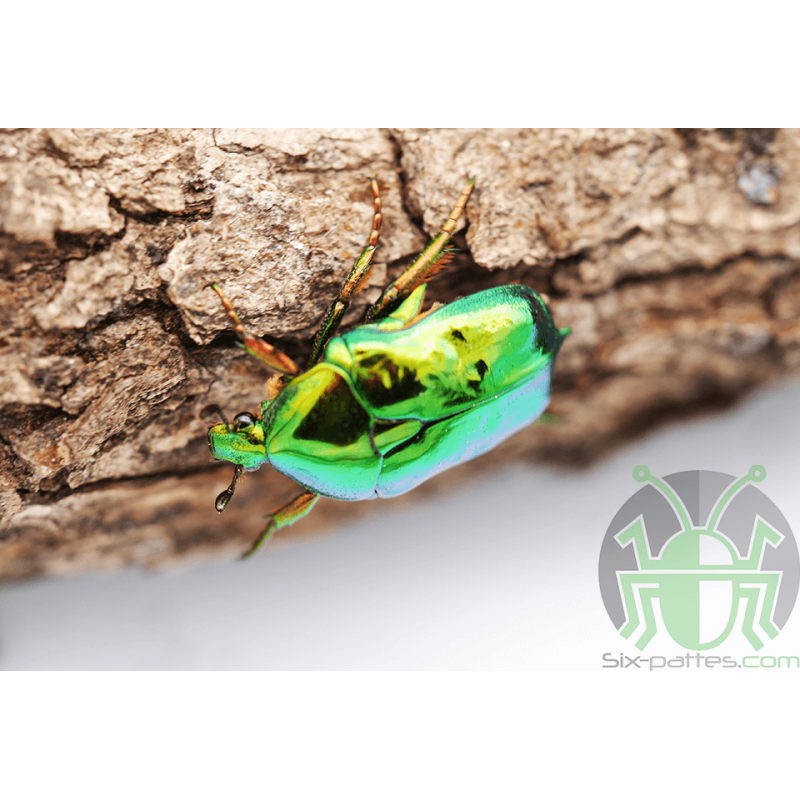
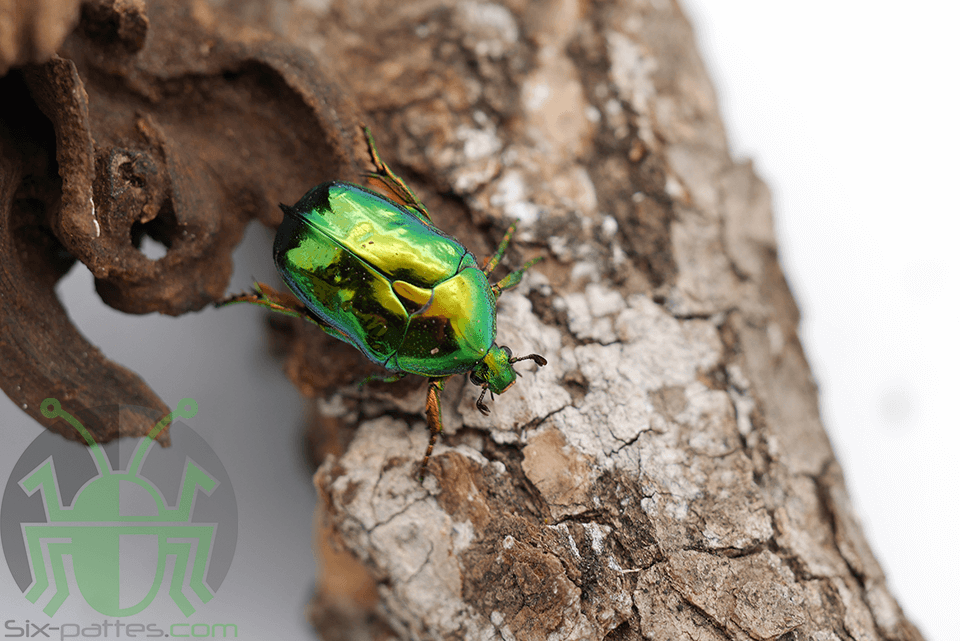
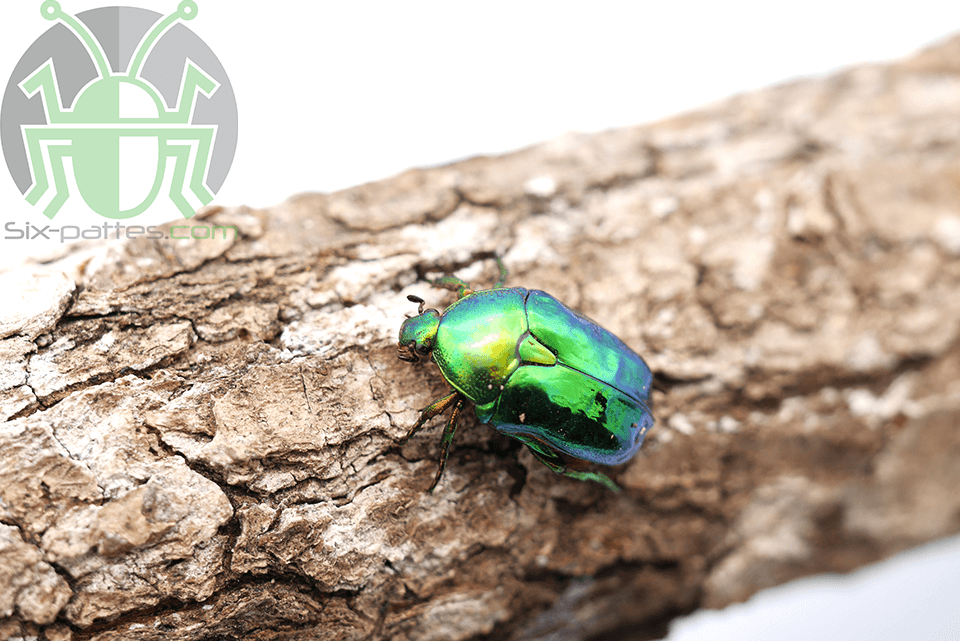
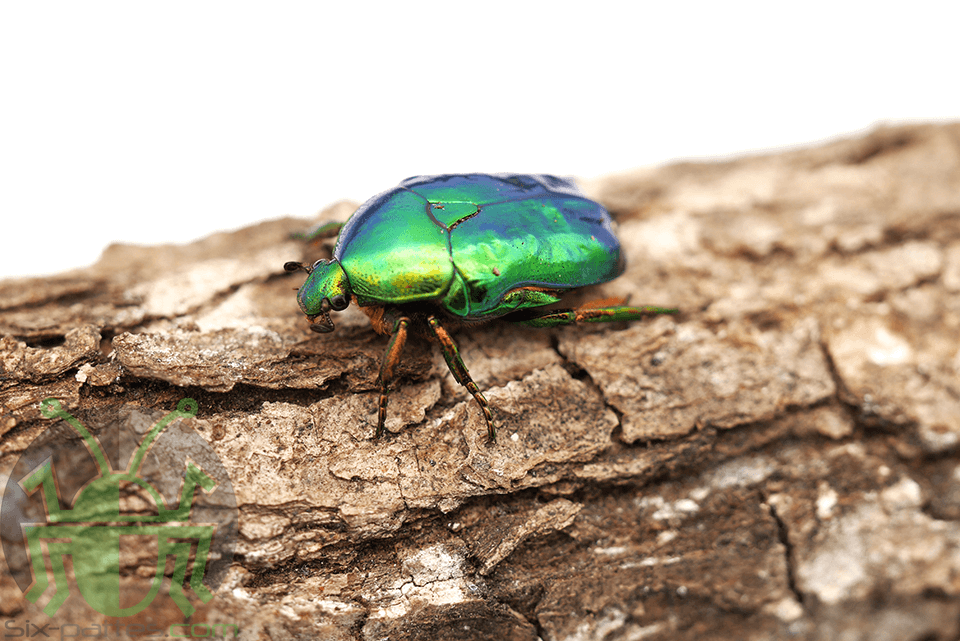
Protaetia himayalana are true jewels of nature! They measure about 2 to 2.5cm and are very shiny metallic green in color. The legs are coppery. This is a species that is moderately active during the day.

This species is native to the Himalayan mountain region present in Nepal and China.

Difficulty of breeding
Easy

Special features:

Species not recommended for beginners.

Active during the day
  • To encourage reproduction and laying, hibernation or rather diapause can be carried out at the end of the larval stage (optional).
  • It is important not to dig into the substrate too much and to wait a few weeks/months before collecting the larvae.

What you might need:

01. Breeding

For larvae : Plastic boxes with ventilation. Provide a quantity of substrate adapted to the number of larvae.

For example, for 10 larvae: provide a 5L box.

For the nymphs : Once in the shell, you can either leave them in the same box as the larvae or transfer them to another ventilated container. To do this, you will need to reposition the shell in the substrate.

For adults: Provide a terrarium adapted to the number of individuals. For 3/4 couples, provide a terrarium of approximately 40x30x30 (LxWxH) with ventilation on the lid. Also provide approximately 10cm minimum of substrate and small branches for movement.

The ground should not be completely flat because the beetles that fall on their backs die quickly because they can no longer turn around. It is therefore very important to fill it with bark, stones or other materials and not to flatten the substrate.

Temperature: 20 to 25°C.

Humidity:

For larvae: Provide a slightly damp substrate.

During pupation: Provide a slightly drier substrate.

For adults: Protaetia himalayana seem to appreciate a slightly dry and fine substrate for laying eggs. If the terrarium is well ventilated, provide a small spray of water every 2 to 3 days.

Lighting: Lighting required for adults (bulb, spotlight, tube, etc.)

For larvae: Classic flower beetle substrate: decomposed and crushed oak leaves. The larvae are saproxylophagous and feed on decomposing materials (wood, leaves). If the larvae lack food, there is a risk of dying them or of obtaining small specimens. The substrate will need to be renewed as soon as there is too much excrement.

For adults: Fruits (mainly banana) or beetle jelly. Pollen seems to be well appreciated. Renew as often as possible as soon as the food starts to deteriorate.
Incubation

ABOUT 7 days

Development

From 3 months to 4 months

Nymphosis

1 to 2 months

Imago lifespan

3 to 5 months

Male
Female

02. Please note

Sexing: The male has a longitudinal groove on the ventral side of the abdomen.

Prolificacy, mating and laying: Low prolificacy if conditions are optimal.

Cannibalism: Absent.

03. The Diapause

It is possible to carry out hibernation or rather diapause at the end of the larval stage to obtain better reproduction and laying.

The larvae at the end of the L3 stage are placed in a drier substrate and in a cooler place 5-8°C (wine cellar for example) for 2-3 months. Then they are placed back at breeding temperature.

At Six-pattes.com we do not perform diapause and reproduction and laying do not seem to be affected.

Protaetia himalayana

€30.00

Reviews (0)

No customer reviews for the moment.


Only registered user can add review. Login