1

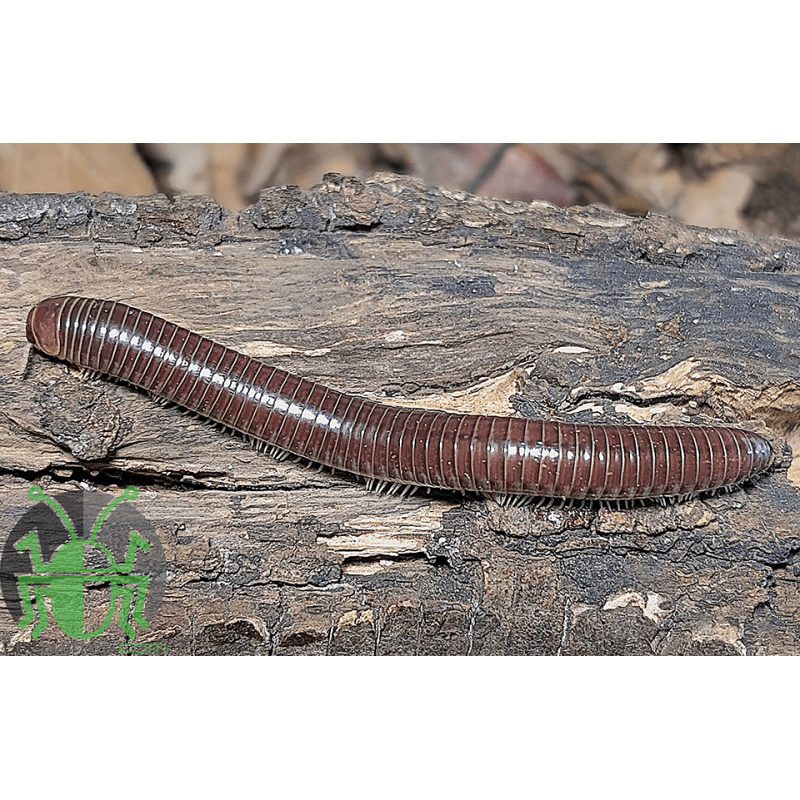
Chicobolus spinigerus " Brown "

€8.50

Young = 1cm to 4cm Medium-adult = from 4cm


0
0/5 - 0 reviews
Buying this product you will collect €0.32 with our loyalty program. Your cart will total €0.32.
Stage

Volume discounts

Quantity Discount You Save
10 5% Up to €4.25
20 10% Up to €17.00
Quantity

The minimum purchase order quantity for the product is 3.

Chicobolus spinigerus "Brown"

(Wood, 1864)

Kingdom: Animalia

Phylum: Arthropoda

Class: Diplopoda

Order: Spirobolida

Family: Spirobolidae

Genus: Chicobolus

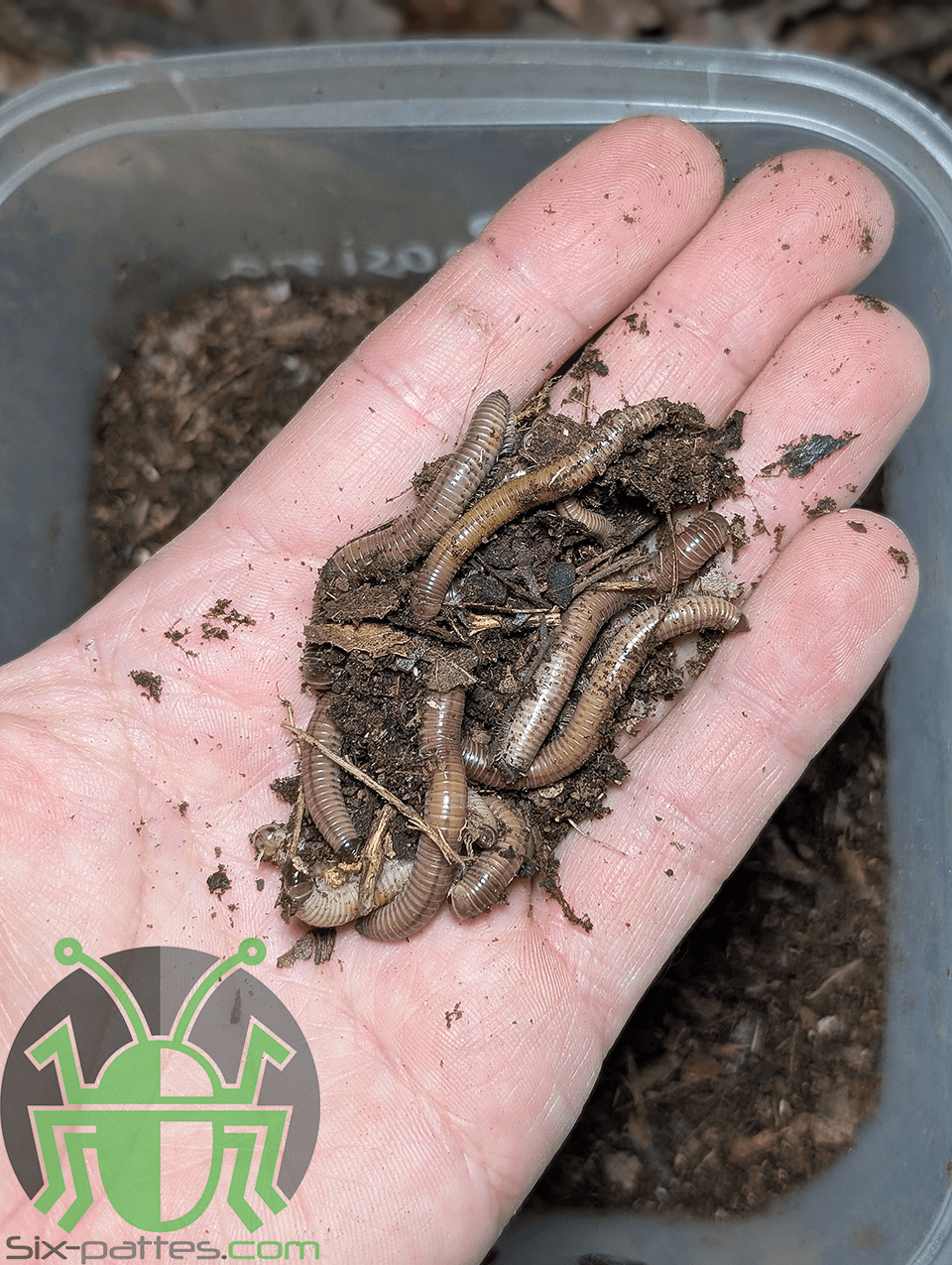
Chicobolus spinigerus commonly known as the Florida ivory millipede, is a species native to the southeastern United States, particularly in Florida, but also in Alabama, Georgia, and South Carolina.

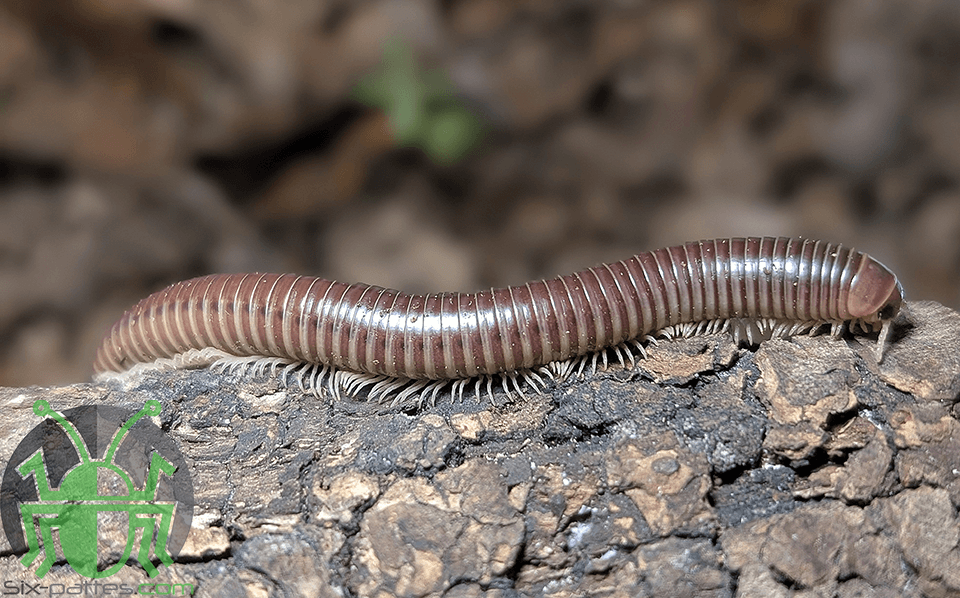
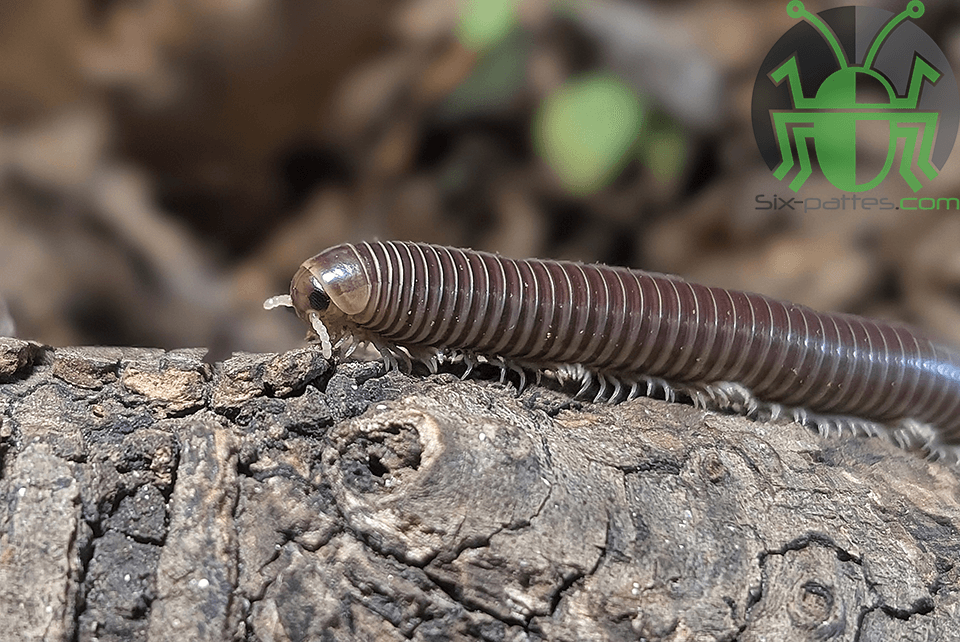
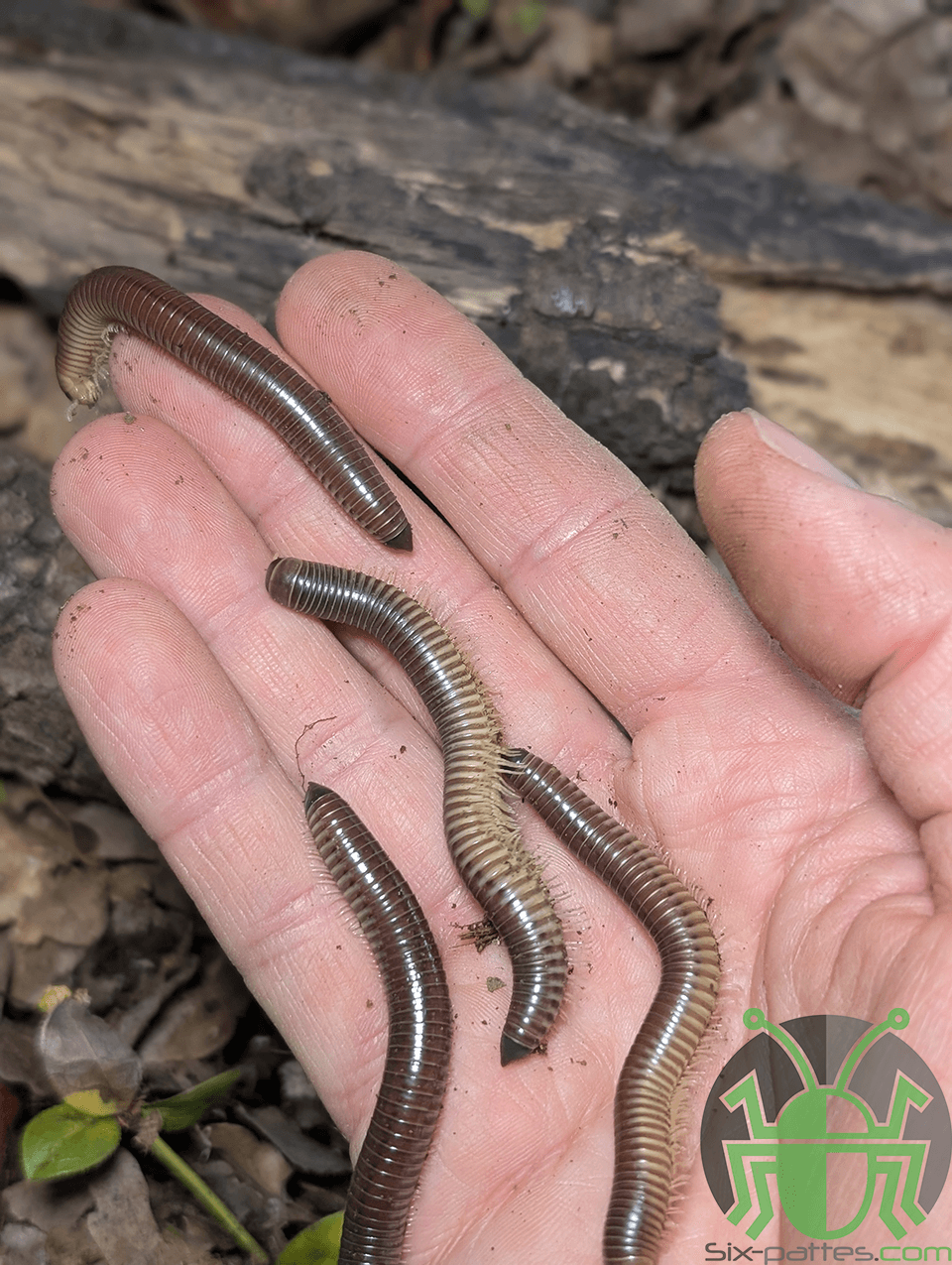
This millipede is recognizable by its pale ivory or light brown color, typically reaching 8 cm in length in females, while males are slightly smaller.

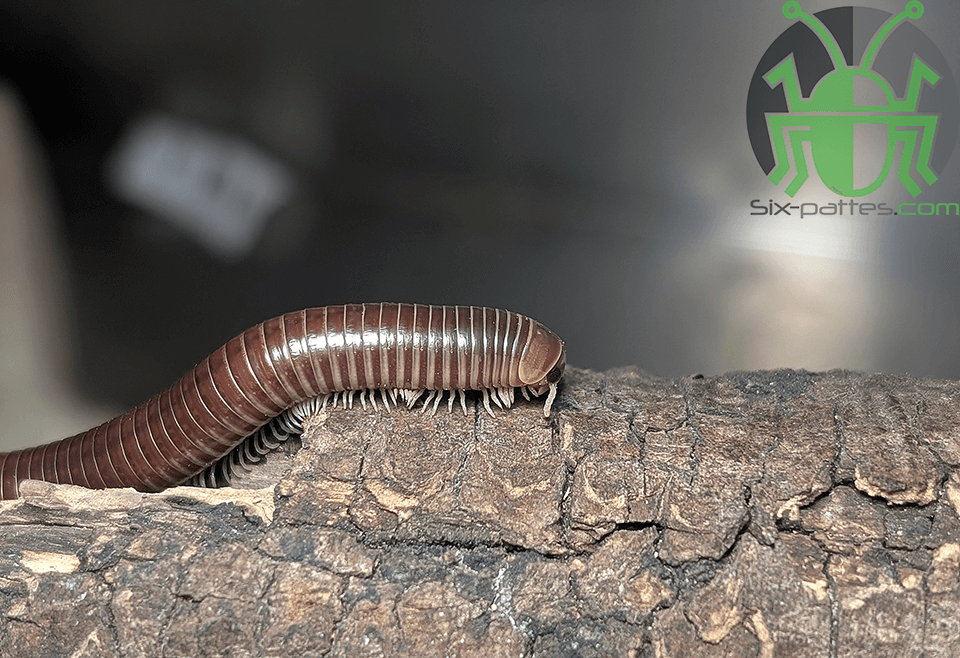
Here, it is another form of Chicobolus spinigerus. The classic form is striped black and white, while this one has a cream-colored ventral side and a generally brown coloration.

Particularities:

Very easy to breed.

Active day and night.

  • Pruning is highly recommended, this species loves to climb.
  • Very active and visible during the day.
```html

What you might need:

```

01. Breeding

It is possible to maintain a group of 5 Chicobolus spinigerus in a minimum terrarium of 20x20x20 (Lxlxh). This terrarium can be made of glass or plastic. It should be poorly ventilated. You can also use plastic boxes with a few ventilation holes. The goal is to maintain a humid but slightly aerated atmosphere.

At the bottom of the terrarium, a minimum of 5 to 10cm of substrate should be placed. The substrate is essential as it serves both as habitat and food for the animals. We also recommend adding pieces of decomposed wood.

You can enhance the terrarium with bark, moss, and leaves (oak, beech, or chestnut). The addition of branches is highly recommended.

Temperature: About 20-25°C.

Humidity: 70 - 85% The substrate must remain moist.

Lighting: Sufficient ambient light.

The staple food is the substrate . This is mainly composed of leaves and decomposed and crushed oak, beech, or possibly chestnut wood.

You can add fruits and vegetables, fish food/protein supplements, and/or lichen.

A calcium supplement is recommended, so we will add cuttlefish bone, powdered limestone, or calcium for reptiles as a supplement.

Young iules seem to feed on the feces of older animals. Therefore, at birth, we recommend keeping the young with the adults.

  • Fruits and vegetables should not contain pesticides. It is recommended to rinse them with clear water before use.
  • Be careful of mold; food should be replaced as soon as necessary.

Youth group

Development

about 1 year and a half

ADULT LIFESPAN

5 years or more

02. To note

Sex: Like most pill millipedes, one or two pairs of legs on the seventh segment of the male are transformed into a reproductive organ also called a gonopod.

Fecundity, mating and laying: High fecundity under optimal conditions.

Means of defense: Pill millipedes are slow animals and therefore vulnerable to predators. One of the ways to defend themselves is to curl up tightly, thus protecting their legs and their more vulnerable dorsal region. Predators will have difficulty swallowing the pill millipede as it is. It can also secrete a repulsive substance with an unpleasant and irritating odor. This can leave yellow-orange stains on fingers that will disappear in a few days. You should always wash your hands after handling them or wear gloves.

Chicobolus spinigerus "...

€8.50

Reviews (0)

No customer reviews for the moment.


Only registered user can add review. Login